
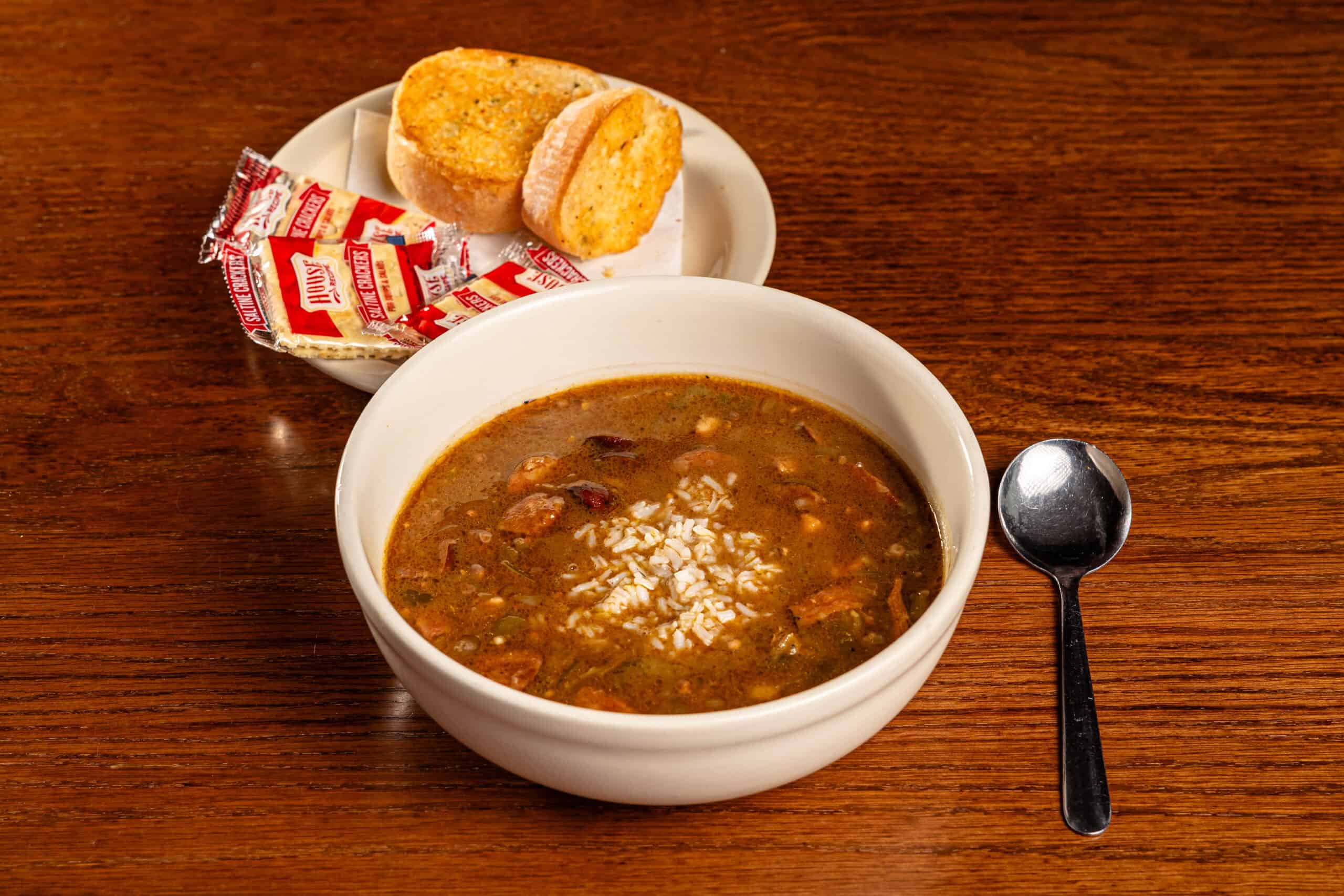
Cajun vs. Creole: What’s the Difference? A Houston Guide
Few questions come up more often around Louisiana food than this one: what’s the actual difference between Cajun and Creole cooking?
The two cuisines share the same state, the same “Holy Trinity” of vegetables, and many of the same dish names — gumbo, jambalaya, étouffée. But the people who created them, the places they came from, and the techniques they leaned on are genuinely different.
The short answer: Cajun cooking is the rustic, one-pot tradition of French-Canadian exiles who settled in rural south Louisiana. Creole cooking is the city cuisine of New Orleans, born from a blend of French, Spanish, African, Caribbean, Italian, and German influences. Houston’s “Tex-Orleans” style draws from both.
Here is a clear breakdown of where each tradition comes from, how their food differs, and where Houston fits into the picture.
What Is Cajun Cuisine?
Cajun cooking traces back to the Acadians — French-Canadian settlers who were exiled from Nova Scotia in the 1750s and resettled in the bayous, prairies, and small towns of south Louisiana.
It is country food: rustic, resourceful, and built around whatever the land, water, and weather provided. Hunters, trappers, and rice farmers made meals from what they could catch, grow, or preserve.
Hallmarks of Cajun cooking include:
- One-pot meals built for feeding crowds and stretching ingredients
- A dark, oil-based roux cooked nearly to chocolate in color
- Bold use of black pepper and cayenne
- Smoked sausages, game meats, and freshwater seafood like crawfish and catfish
- No tomatoes in traditional gumbo or jambalaya
What Is Creole Cuisine?
Creole cooking developed in New Orleans, a colonial port city shaped by waves of European, African, and Caribbean immigration. Plantation kitchens, restaurants, and home cooks blended French technique with Spanish, West African, Italian, and Native American influences.
It is city food: more refined, more layered, and historically tied to wealthier kitchens with access to imported ingredients.
Hallmarks of Creole cooking include:
- A lighter, butter-based roux
- Frequent use of tomatoes in stews, sauces, and rice dishes
- Cream, butter, and seafood-forward preparations
- Influences from French cassoulet, Spanish paella, and African rice cooking
- More elaborate, multi-component plates
Cajun vs. Creole: Key Differences at a Glance
| Feature | Cajun | Creole |
|---|---|---|
| Origin | Rural south Louisiana (Acadiana) | New Orleans |
| Cultural Roots | French-Canadian (Acadian) | French, Spanish, African, Caribbean, Italian, German |
| Cooking Style | Country, one-pot, resourceful | City, layered, refined |
| Roux Base | Oil, cooked dark | Butter, cooked lighter |
| Tomatoes | Rare | Common |
| Heat Profile | Pepper-forward, direct | Balanced, seasoning-layered |
| Common Proteins | Crawfish, catfish, game, smoked sausage | Shrimp, oysters, crab, beef, chicken |
Cajun vs. Creole Ingredients
Both cuisines share the “Holy Trinity” — onion, celery, and green bell pepper — as their aromatic base. After that, the pantries diverge.
| Ingredient | Cajun | Creole |
|---|---|---|
| Holy Trinity (onion, celery, bell pepper) | Yes | Yes |
| Dark roux (oil-based) | Yes | Sometimes |
| Light roux (butter-based) | Rare | Yes |
| Tomatoes | Rare | Common |
| Cream and butter | Rare | Common |
| Smoked andouille sausage | Common | Common |
| Filé powder | Common in gumbo | Sometimes |
| Okra | Common | Common |
Cajun vs. Creole Dishes
Many of the most famous Louisiana dishes exist in both traditions — but they look and taste different depending on which kitchen they come from.
| Dish | Cajun Version | Creole Version |
|---|---|---|
| Gumbo | Dark roux, no tomato, often filé | Sometimes tomato, often seafood-forward |
| Jambalaya | Brown jambalaya — no tomato | Red jambalaya — built on tomato |
| Étouffée | Crawfish or shrimp, darker, peppery | Lighter, butter-forward |
| Boudin | Cajun signature — rice and pork sausage | Less central |
| Shrimp Creole | Not traditional | Signature Creole dish, tomato-based |
| Red Beans and Rice | Common | Common — historically a Monday New Orleans tradition |
Why the Two Are Often Confused
Cajun and Creole have lived side by side in Louisiana for over two centuries. Cooks borrow from each other. Restaurants outside Louisiana often label everything “Cajun” because the word travels well — but the dishes they serve are frequently Creole, or a hybrid.
The shorthand that works for most people:
- Cajun = country. Rustic, one-pot, pepper-forward, no tomato.
- Creole = city. Layered, refined, tomato-friendly, butter-based.
Neither is “better.” They are two different answers to the same question of how to feed people well in south Louisiana.
Where Houston (and Tex-Orleans) Fits In
Houston is far enough from Louisiana to develop its own voice, but close enough — geographically and culturally — to feel the pull of both traditions.
Tex-Orleans is what happens when Cajun and Creole cooking meet Texas appetites. The result tends to be:
- Bigger portions and bolder seasoning than the classic Louisiana baseline
- Wider ingredient lists in boils (mushrooms, broccoli, Brussels sprouts, pineapple)
- A heavier emphasis on Gulf seafood — shrimp, oysters, crab — alongside crawfish
- Comfort with mixing the rustic Cajun pot and the layered Creole plate on the same menu
It is not pure Cajun. It is not pure Creole. It is a Houston interpretation of both.
How BB’s Tex-Orleans Honors Both Traditions
At BB’s Tex-Orleans, the menu pulls from both sides of the Louisiana lineage. Crawfish boils lean Cajun in technique and Houston in scale. Gumbo, étouffée, and Gulf seafood plates lean into the Creole side of the family. Seasoning, presentation, and portion sizes reflect Houston’s appetite for bold, abundant food.
BB’s serves this Tex-Orleans approach across Southeast Texas — from its Houston-area locations through Beaumont and the Golden Triangle.
During peak crawfish season, live crawfish are served whenever available. Outside of peak months, BB’s serves premium flash-frozen crawfish, so guests can enjoy great crawfish year-round.
Frequently Asked Questions About Cajun vs. Creole
Is Cajun or Creole spicier?
Cajun cooking tends to be more pepper-forward and direct in its heat. Creole cooking is often more layered, building seasoning through technique rather than chile intensity. Both can be spicy depending on the dish and the cook.
Is gumbo Cajun or Creole?
Both. Cajun gumbo typically uses a dark roux, smoked sausage, and no tomatoes. Creole gumbo is often seafood-forward and sometimes includes tomatoes.
Is jambalaya Cajun or Creole?
Both. Cajun jambalaya is brown — no tomato — and built on a darker base. Creole jambalaya is red because it is built on tomato.
Do Cajun and Creole both use the Holy Trinity?
Yes. Onion, celery, and green bell pepper form the aromatic base of both cuisines.
Is Tex-Orleans the same as Cajun?
No. Tex-Orleans is a Houston-area style that draws from both Cajun and Creole traditions and adapts them to Texas tastes — bigger portions, bolder seasoning, and a wider boil ingredient list.
What does “Holy Trinity” mean in Louisiana cooking?
It refers to the trio of onion, celery, and bell pepper used as the aromatic base in both Cajun and Creole dishes — the Louisiana equivalent of the French mirepoix.
Part of the Crawfish Chronicles Series
This article is part of Crawfish Chronicles, an ongoing series from BB’s Tex-Orleans exploring Louisiana cooking traditions, crawfish season, preparation, and Houston’s evolving Tex-Orleans culture. Related reading:
- When Is Crawfish Season in Houston?
- What Goes Into a Crawfish Boil?
- How to Eat Crawfish: Step-by-Step Guide
Final Thoughts
Cajun and Creole are not interchangeable, and they are not at odds. They are two distinct Louisiana cuisines that grew up in different places, drew from different people, and use different techniques to express the same love of bold, generous cooking.
Houston’s take on Cajun and Creole cooking is the natural third chapter — a city close enough to honor both traditions and confident enough to make them its own.
